01
Vision & partnerships
Direction, positioning and strategic development.
- Vision and long-term direction
- Strategic partnerships
- New opportunities and concepts
Shared challenges. Local possibilities.
Photo: Jitske Nap
CHAPTER 1 · COMMON GROUND
We bring people, places, knowledge and capital together to help communities thrive. By connecting homes, local enterprise and care for the living world, we work towards places that grow richer in life, opportunity and belonging.
What becomes possible when we care for a place together?
Every place holds its own knowledge, relationships and possibilities. People know things about where they live that no masterplan can tell us. Soil, water and the wider landscape bring their own patterns, needs and limits.
We begin by listening. What is already flourishing here? What needs care? What could we make possible together?
Housing, food, livelihoods, belonging and the health of the land are connected. Working with these relationships opens possibilities that reach beyond any single building or project.
Building The New helps connect local initiative with the knowledge, resources and long-term support it needs. Together, we develop homes, shared spaces and local enterprise, with the people who will live with the results.
Each place grows in its own way. What we learn can travel.
Where it is already happening
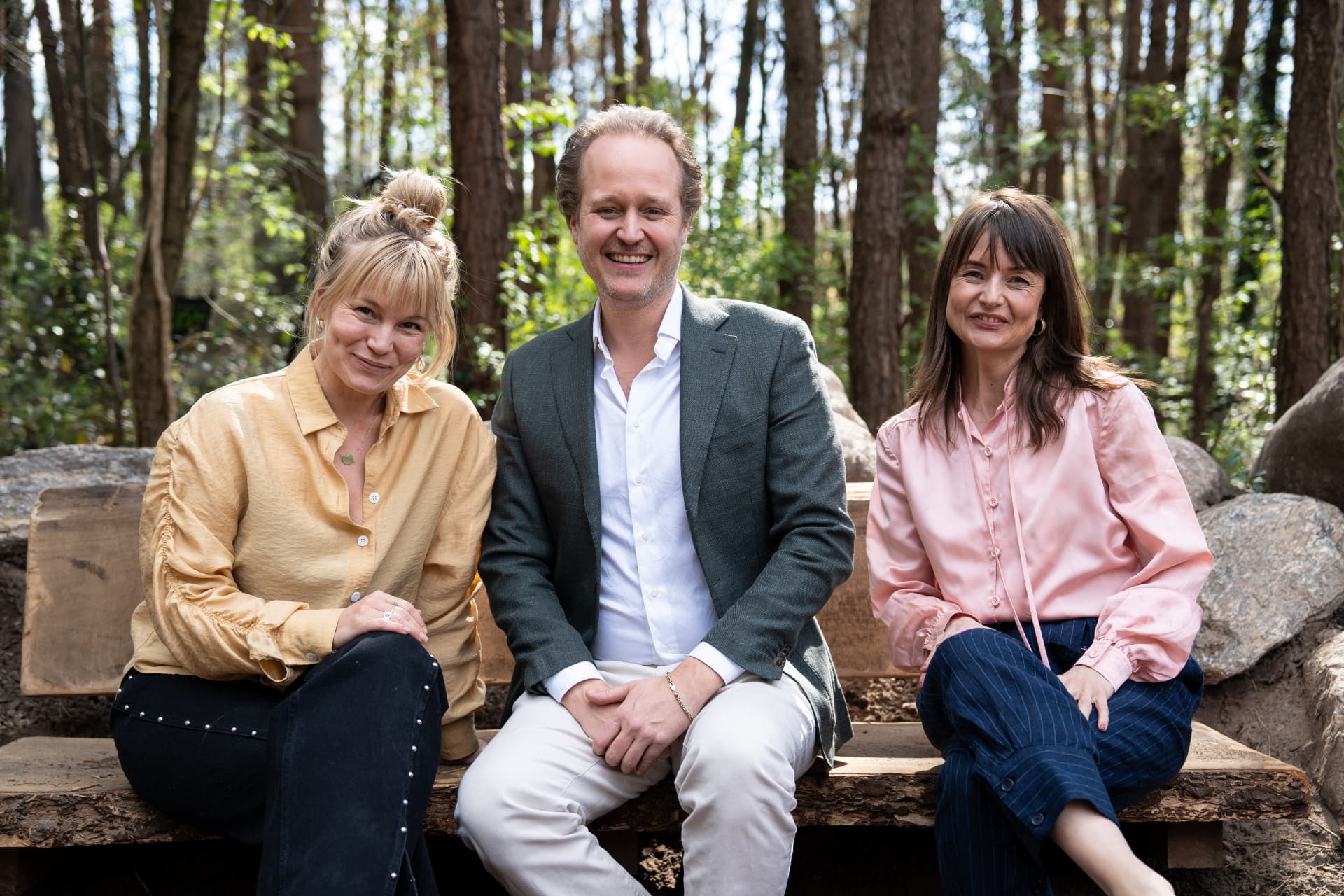
Common Woods is a neighbourhood in the forest in Amersfoort that Maurits helped develop. The Building is our clubhouse in Amersfoort, a place to meet, work and learn.
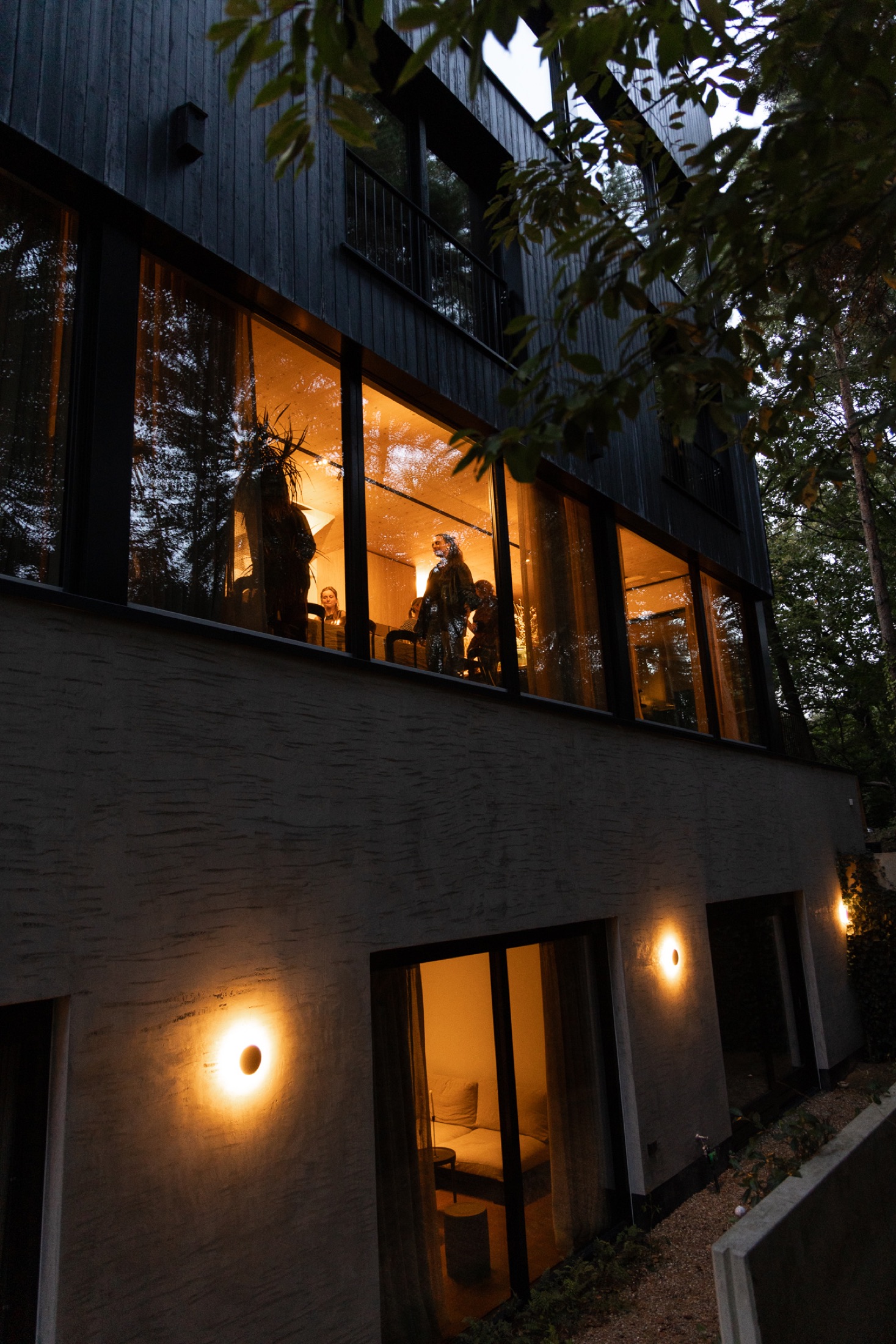
My background is in building and development. Through Common Woods and The Building, I have learned how deeply the places we make are shaped by the relationships we bring. I am still learning what that asks of me.
On 18 December, I’ll share a dance, moving from staccato towards flow: a vulnerable exploration of how inner work can shape the way we listen, share responsibility and act together.
I want to move at the speed of trust, making room for others to help shape what comes next. I hope we can spend more time caring and creating together, and less time finding our way through systems. We can begin with the lives and places we already share.
Maurits van Hoogevest · Initiator, Building The New
See what we can make possible togetherWhy we start with place and community, and how the model works.
Bring your questions, needs or existing work, and express interest in an exchange.
Time, knowledge, network, land or capital: find the way in that fits you.
See the network grow and what is being built next.
CHAPTER 2 · THE MODEL
Our aim is to help people care for the places they belong to, as part of the living world.
We are developing practical ways to share what communities learn while keeping decisions rooted locally.
Methods, tools and lessons can be shared between places, the way mycelium connects a forest, so that no place has to start from scratch. Each place shapes its own decisions, production, livelihoods and care, around its own people and landscape. We call this cosmo-local: knowledge shared across a network, choices rooted in place.
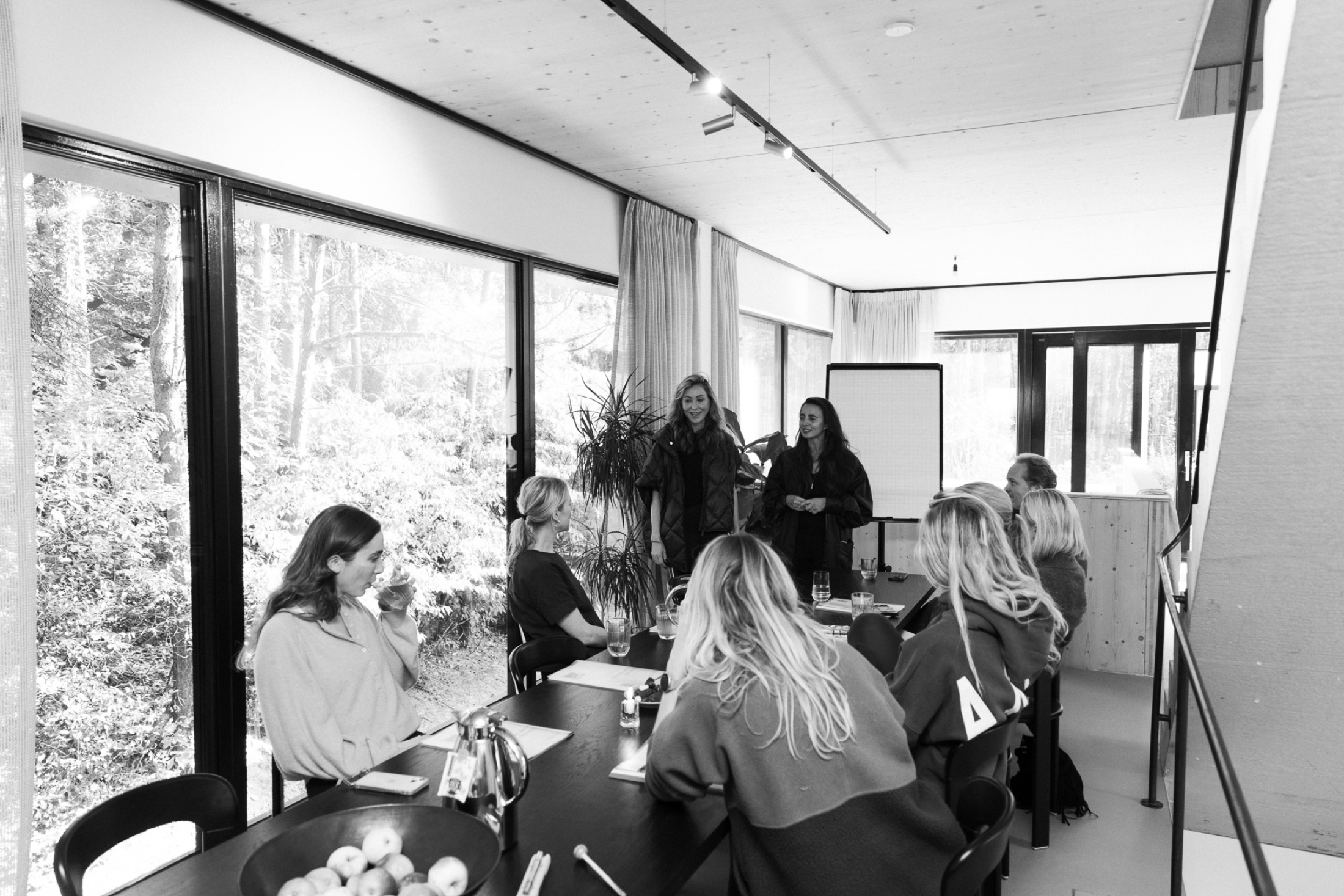
People bring different strengths. Explore how meeting, learning, organising, shared care, resources and making can support the life of a place.
Explore the Living Middle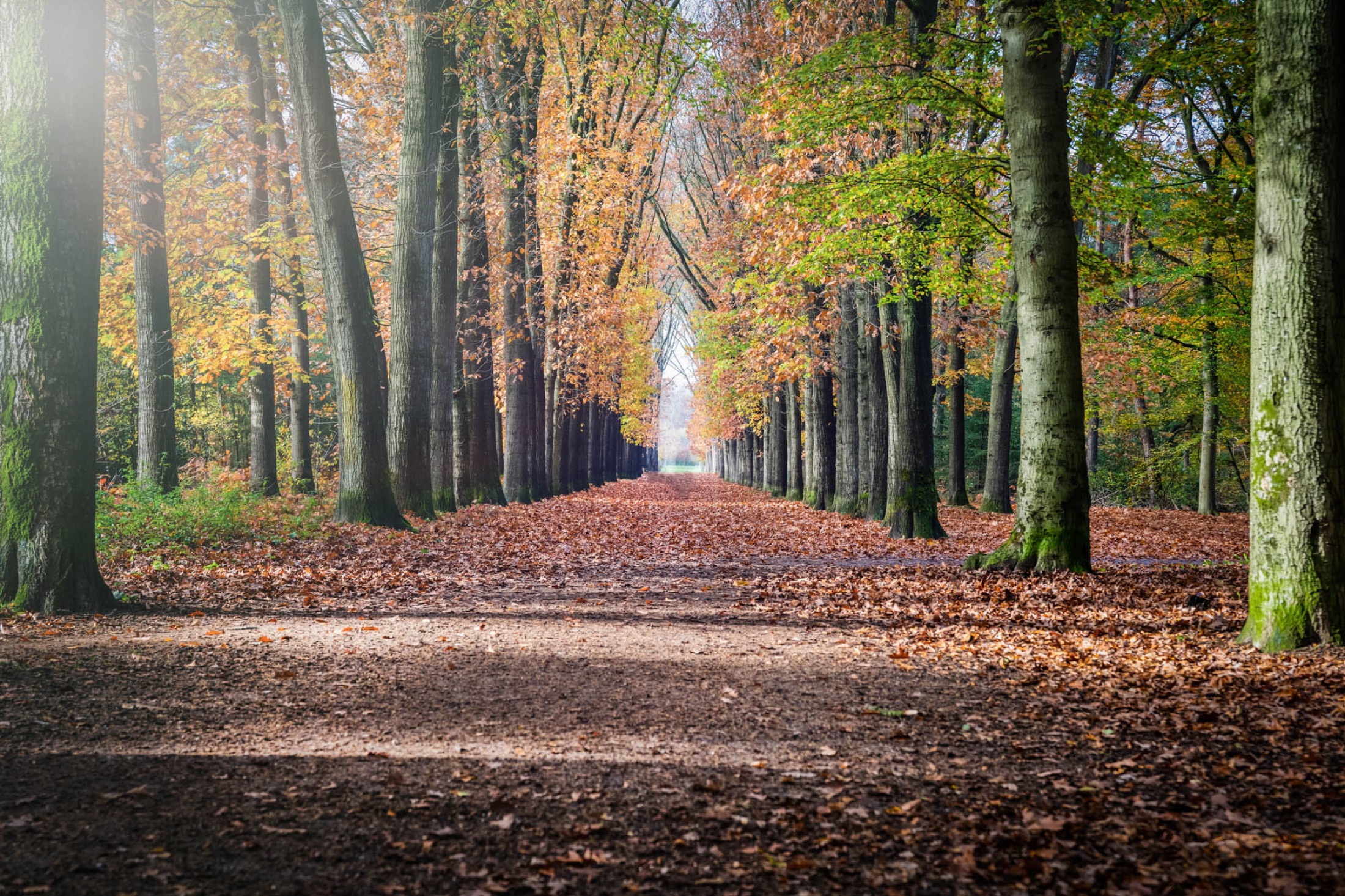
CHAPTER 3 · PLACES & PEOPLE
Common Woods is a neighbourhood in the forest in Amersfoort that Maurits helped develop. Oosterwold in Almere is a development exploration bringing land, future community, ecology and enterprise together. In Abandze, Ghana, we are growing a relationship with the Otsir community, an existing community with deep ancestral roots and living traditions. We learn by invitation with independent TANA BioHub on Mallorca, and are beginning to listen and build relationships in Northern California. The Building in Amersfoort is the clubhouse of Building The New and of the Annemiek van Hoogevest Foundation, made available for meeting, work and learning. Each relationship has its own history, priorities and stage.
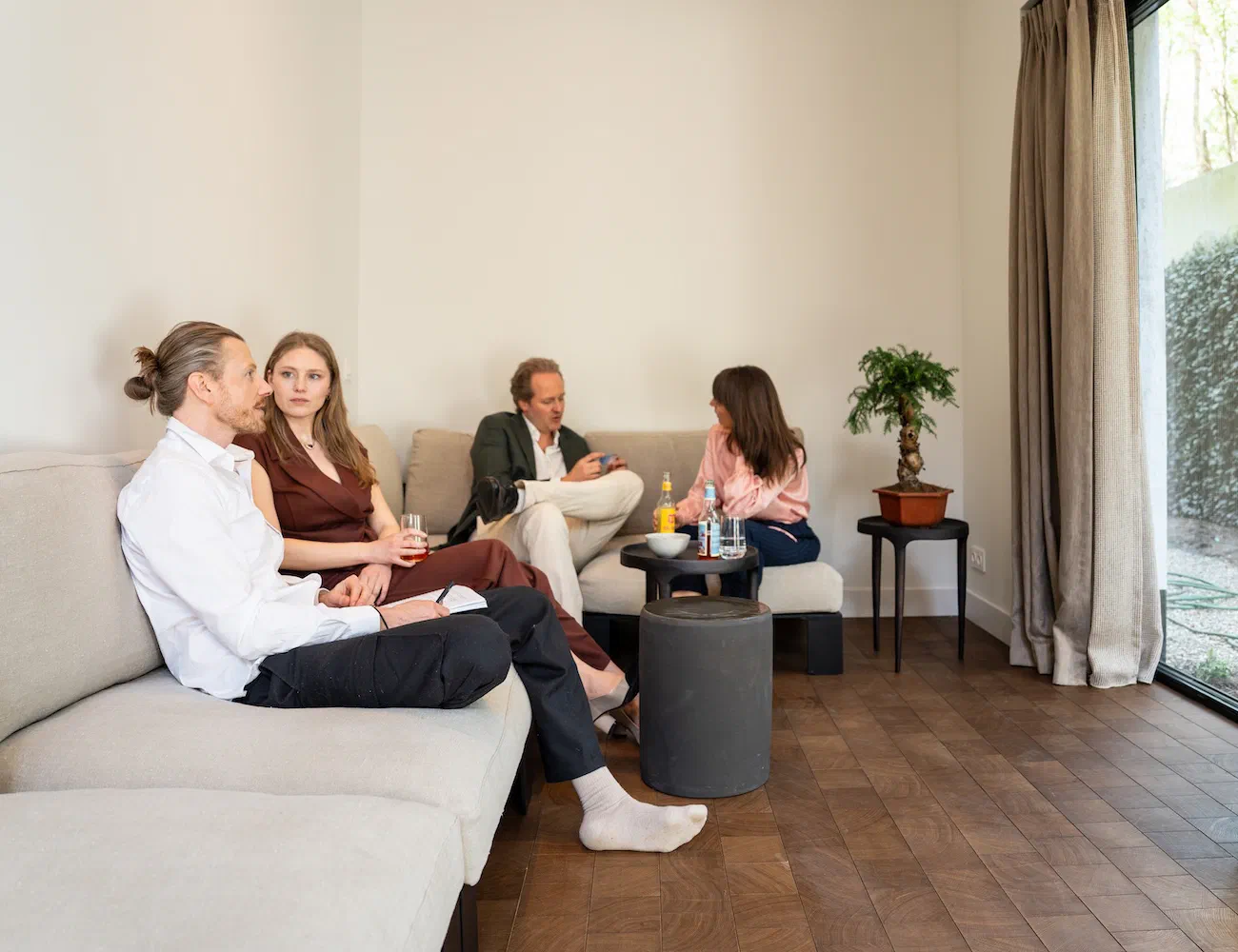
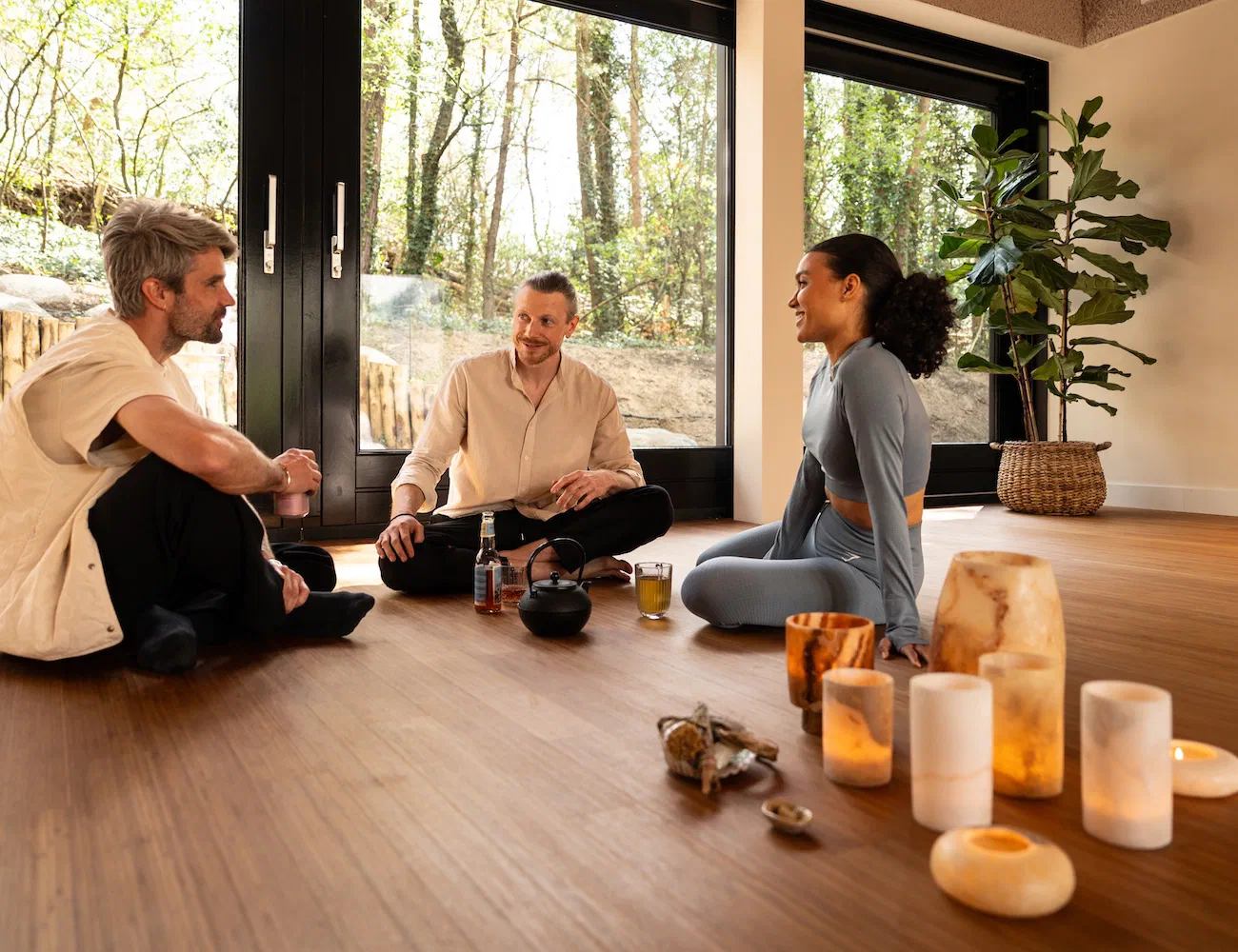
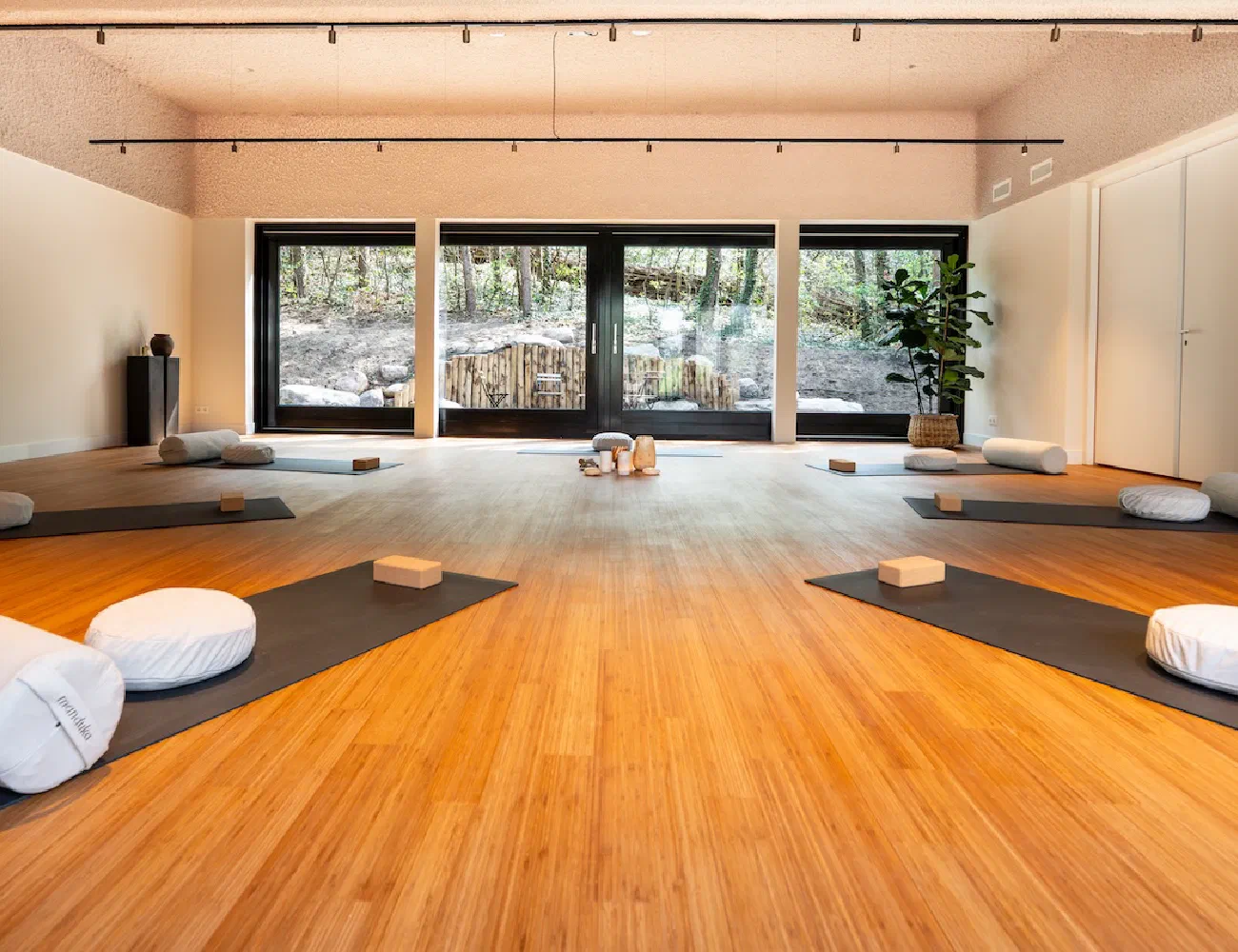
The Building is our clubhouse in Amersfoort: a place to meet, work and learn, among the trees. It opens on 18 December 2026.
A compact core team brings development experience, community work, communications and practical organisation together. Our current direction builds on the Annemiek van Hoogevest Foundation; a wider mission-holding role and structure are being developed. Four principles guide how we work: move at the pace of trust, be humble, ensure safety, and let the future be local.
Roles, knowledge & skills
Different people, one shared mission: regenerative communities rooted in place.
Place · People · Nature
Knowledge · Skills · Capital
Direction, positioning and strategic development.
From vision to a workable method.
From place to community.
From ambition to realisation.
A healthy, well-organised foundation.
A place for meeting and development.
Making the story visible and moving.
Learn.
Share.
Keep developing.
People · Place · Regeneration · Together
We did not invent this. Our work draws on ecological ethics, bioregional thinking, living systems, the commons, regenerative development and the cultural work of imagination.
Six fields that continue to challenge our work. Not a tree of influence, but a living field of knowledge, people and perspectives that help us develop better places.
Arne Naess
deep ecology; intrinsic value of life
Robin Wall Kimmerer
reciprocity; stewardship and Indigenous knowledge
Joanna Macy
inner work, grief, and active love for the Earth
Reflection question
Does this contribute to a more living and meaningful community?
Peter Berg & Raymond Dasmann
bioregional thinking; a new relationship with the place
Patrick Geddes / Ian McHarg
regional analysis, ecology and design
Wendell Berry
local culture, agriculture and responsibility
Reflection question
What does this tell us about soil, water and the people who live here?
Gregory Bateson / Nora Bateson
relationships, patterns and learning from life
Donella Meadows
system models, feedback and leverage points
John D. Liu
large-scale ecological restoration in practice
Reflection question
How do we change patterns instead of just individual elements?
Jane Jacobs
streets, diversity, the city at eye level
Elinor Ostrom
self-organisation and collective resource management
Christopher Alexander
timeless quality, participation and building together
Reflection question
How can we make decisions together and share responsibility?
Daniel Christian Wahl
regenerative cultures, whole systems, bioregions
Willem Ferwerda / Commonland
landscape approach, 4 Returns, long term
Pamela Mang / Bill Reed
Story of Place and the emergence of a place over time
Reflection question
How does this place become more vital through our work?
Samantha Sweetwater
stewardship, storytelling and cultural transformation
Merlijn Twaalfhoven
art as a driver of social action
Jher / Jeremy Swartz
media, communication and care as practice
Reflection question
How do we cultivate trust and a shared sense of meaning?
The living middle
We do not claim their work. We bring it into dialogue with real places and the work of development.
Deep listening → culture and community → land and finance → design and building → shared stewardship
These thinkers are not an endorsement. Their work is a mirror that can help redirect a project.
01 Acknowledge
Acknowledge the original work and its author in every map, pitch, method and publication.
02 Pay
Budget for intellectual contributions from living authors, mentors and local knowledge holders.
03 Reflect
Let them, or their work, ask us again: are we still true to the essence?
In practice
For each project: (1) bring sources and relationships onto the map, (2) pay for advice and co-creation, (3) involve authors or their work in the design process. Local and Indigenous knowledge is at the heart of knowledge sharing; testing, recognition and fair compensation go hand in hand.
CHAPTER 4 · THE PRACTICE
We work on five fronts at once. Each tends a different part of the commons: the place, the community, the shared tools, the structures that hold our purpose, and the resources that make it all possible.
Development does not begin with construction.
Relationships grow through meeting, working and learning together.
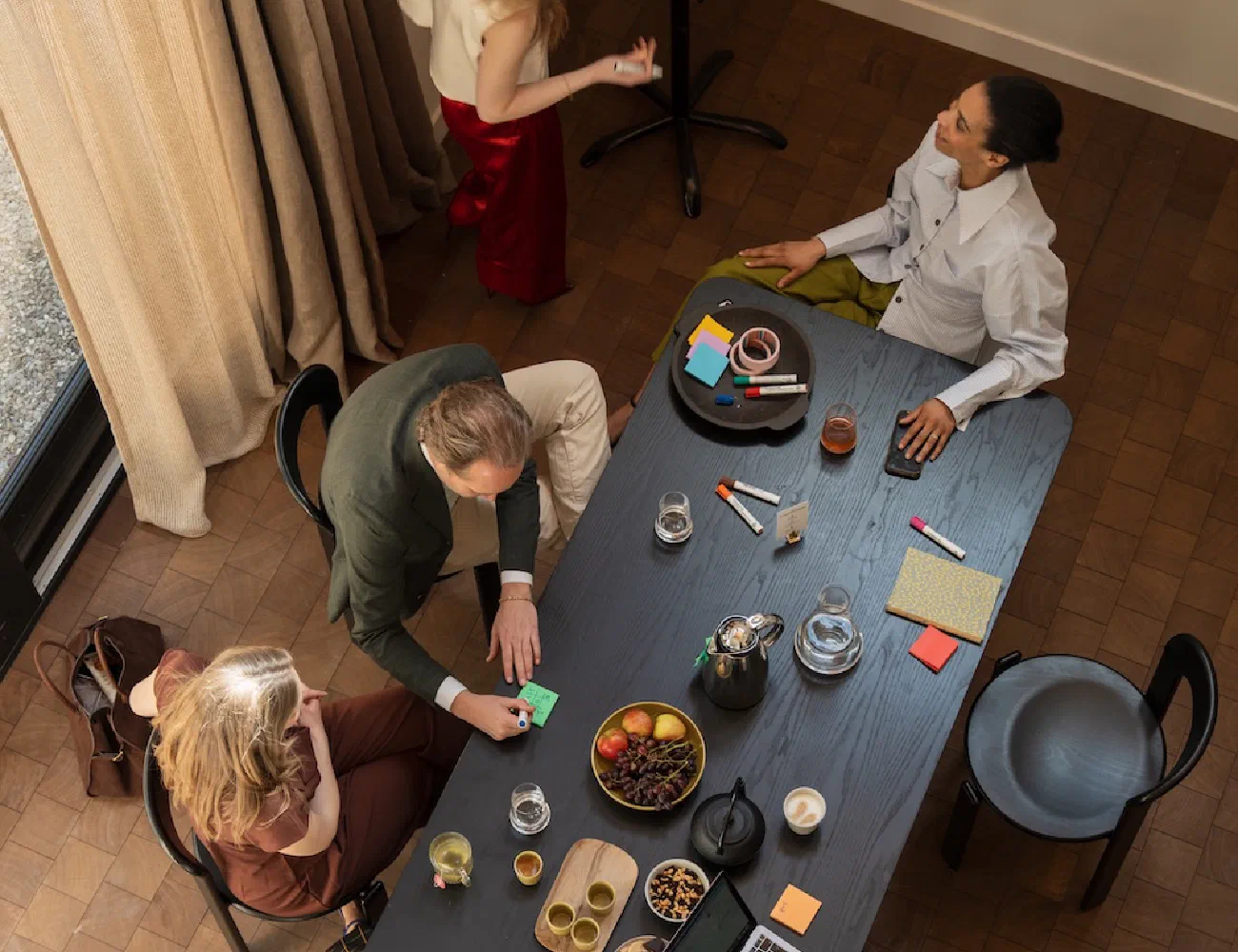
Technology should support human relationships, shared memory and practical follow-up.
How we organise ownership and decision-making determines how value is created, shared and kept.
Finance should serve life, not the other way round.
We plan for the ongoing care of each community, with professional community management built into operating costs from the start.
CHAPTER 5 · WAYS IN
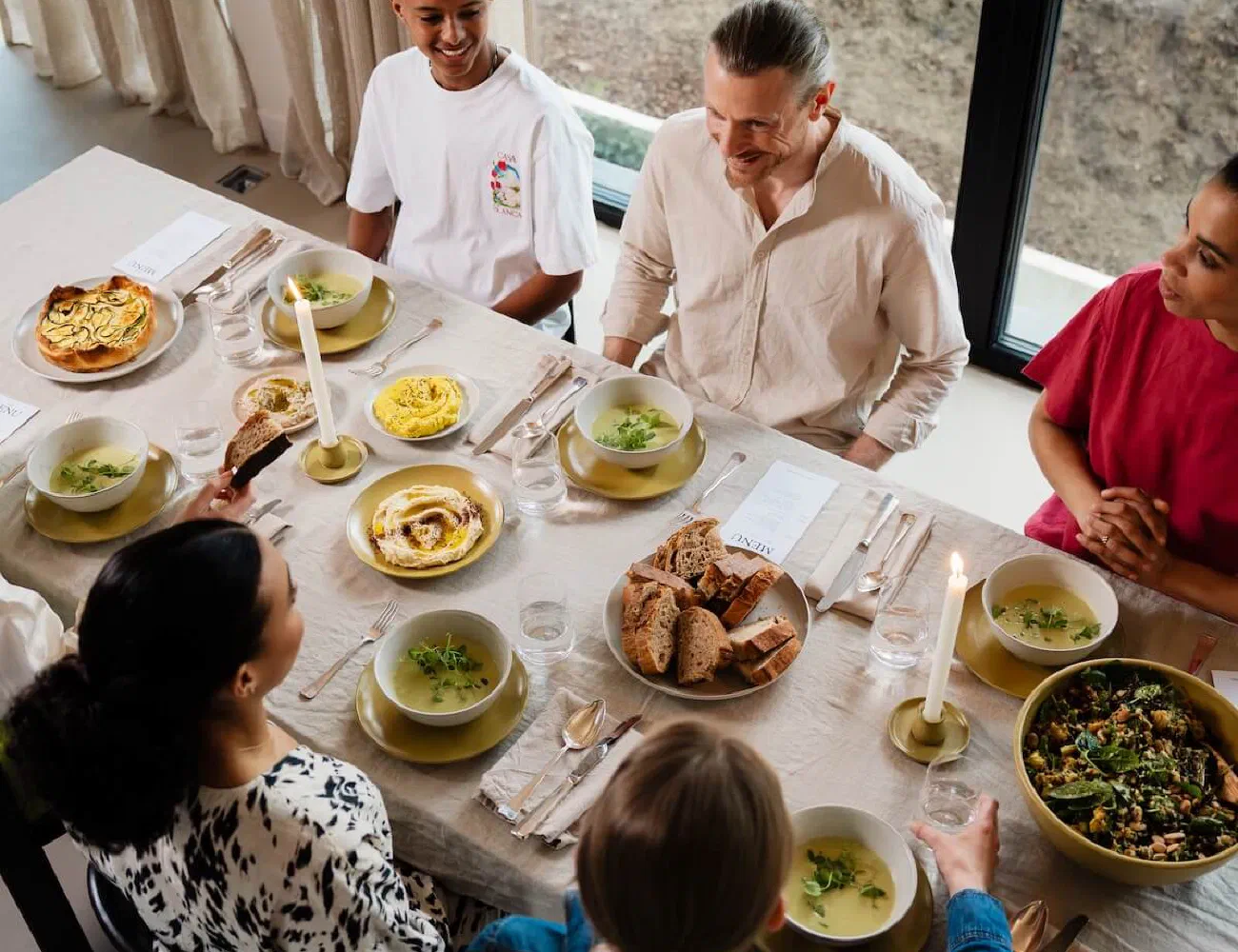
There are many ways to help a place thrive. Bring your time, knowledge, relationships, land or capital, and explore a contribution that fits you and what the place needs.
What engaged people bring (knowledge, relationships, presence) is worth more than money alone.
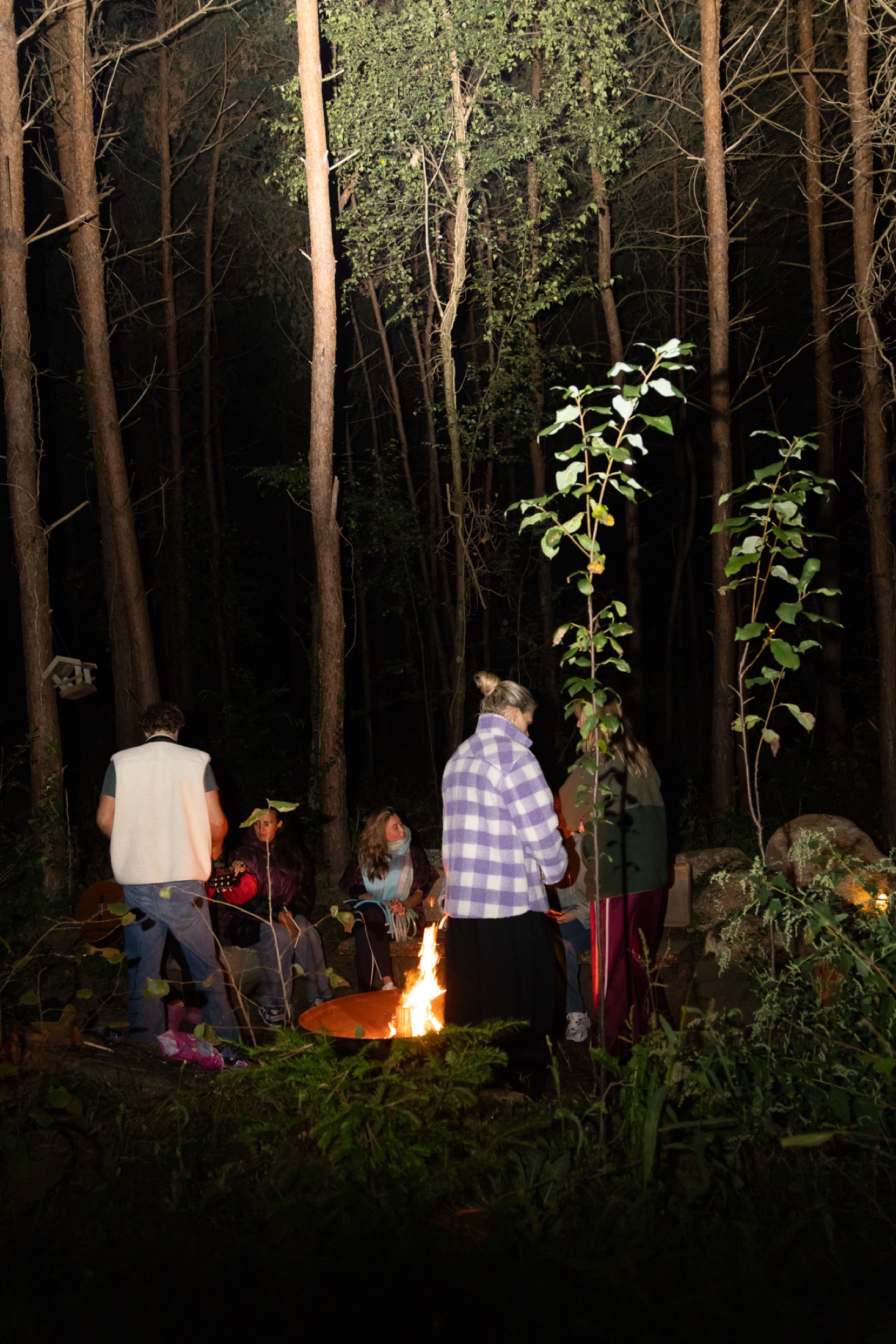
On 18 December 2026, we open The Building in Amersfoort and celebrate what has taken shape. We come together to meet one another, share the work and discover what might become possible through new connections. Bring your curiosity, a question, an idea, or something you are already working on. There is room for different perspectives and different ways of taking part.
What grows from this gathering will depend on the people who meet here, the relationships they choose to build and the steps they decide to take together.